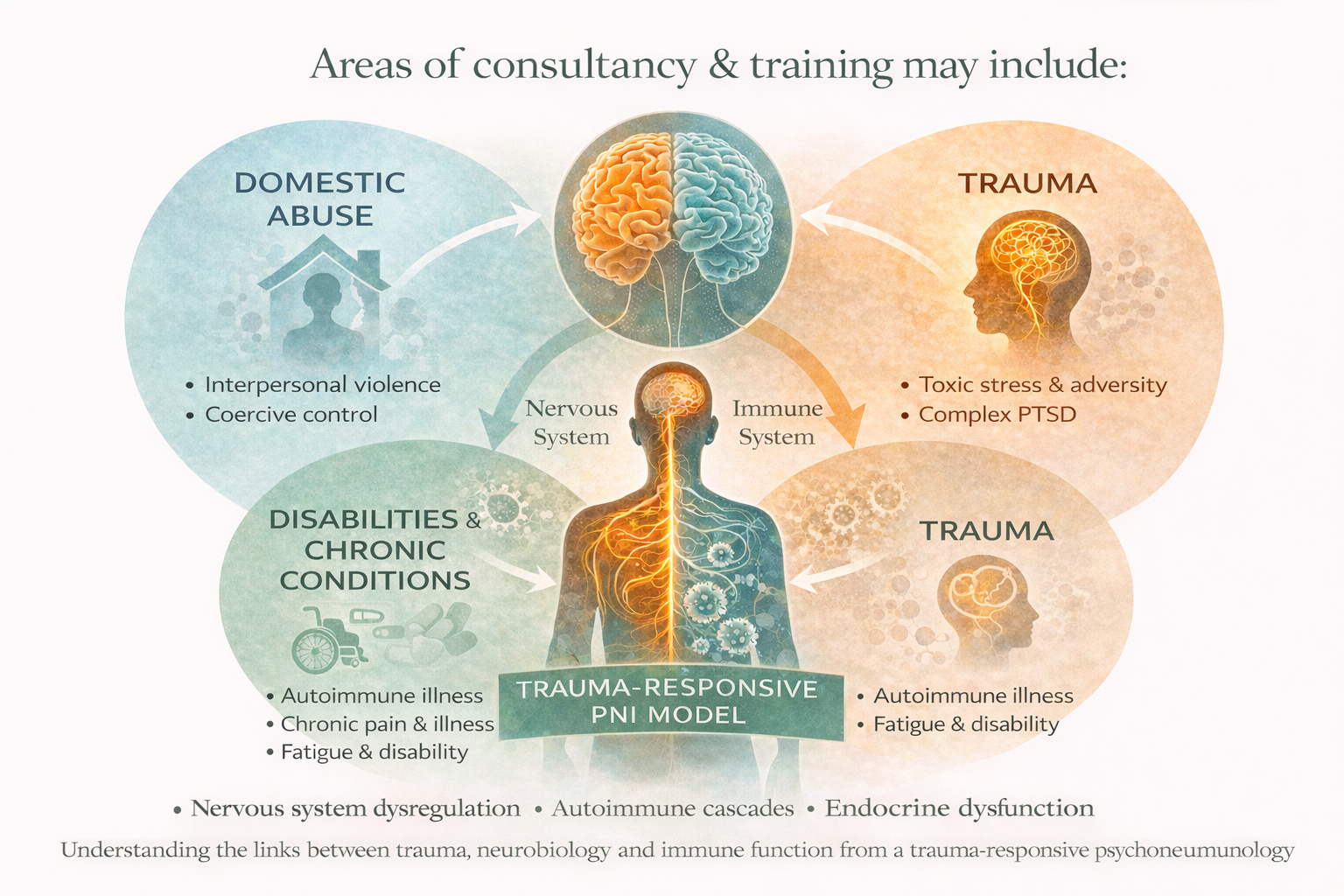
Leadership & Consultancy

Trauma not only shapes memory but also shapes the nervous system, the body, and how we move through the world. Understanding these connections creates possibility & change.
Our Mission:
To empower professionals to see the whole person, the emotional story, the physical experience, and the biological vulnerability, for truly comprehensive, life-changing trauma support, driven by our success in survivor recovery.
Trauma, Domestic Abuse and Physical Health

Research has shown strong links between trauma, chronic stress and physical health. Experiences such as domestic abuse, coercive control and childhood adversity can affect both emotional and physical well-being over time.
Studies, including the Adverse Childhood Experiences (ACE) Study, found that higher levels of childhood trauma are linked to an increased risk of long-term health difficulties later in life.
Many survivors experience ongoing impacts such as:
chronic pain,
sleep difficulties,
digestive problems,
fatigue,
anxiety,
and stress-related illness.
These experiences can sometimes remain hidden within services, particularly when people seek support through health, mental health or substance misuse services rather than specialist domestic abuse support.
Greater awareness of the relationship between trauma and physical health can help professionals recognise these patterns earlier and respond in more compassionate, joined-up and trauma-informed ways.
Through training and reflective practice, professionals can deepen their understanding of trauma and develop safer, more supportive responses for survivors across different sectors.
Elevate Your Practice:
Understanding the Trauma-Health Link
For professionals working with survivors of domestic abuse and relational trauma, recognising the deep, lasting impact on physical health is no longer optional; it is essential.
Our specialised training packages are designed to equip counsellors, social workers, healthcare providers, HR professionals, and other frontline staff with the advanced knowledge and practical models needed to truly support long-term recovery.
We move beyond treating symptoms to addressing the root cause: the biological and physiological footprint of trauma.
The Challenge You Face
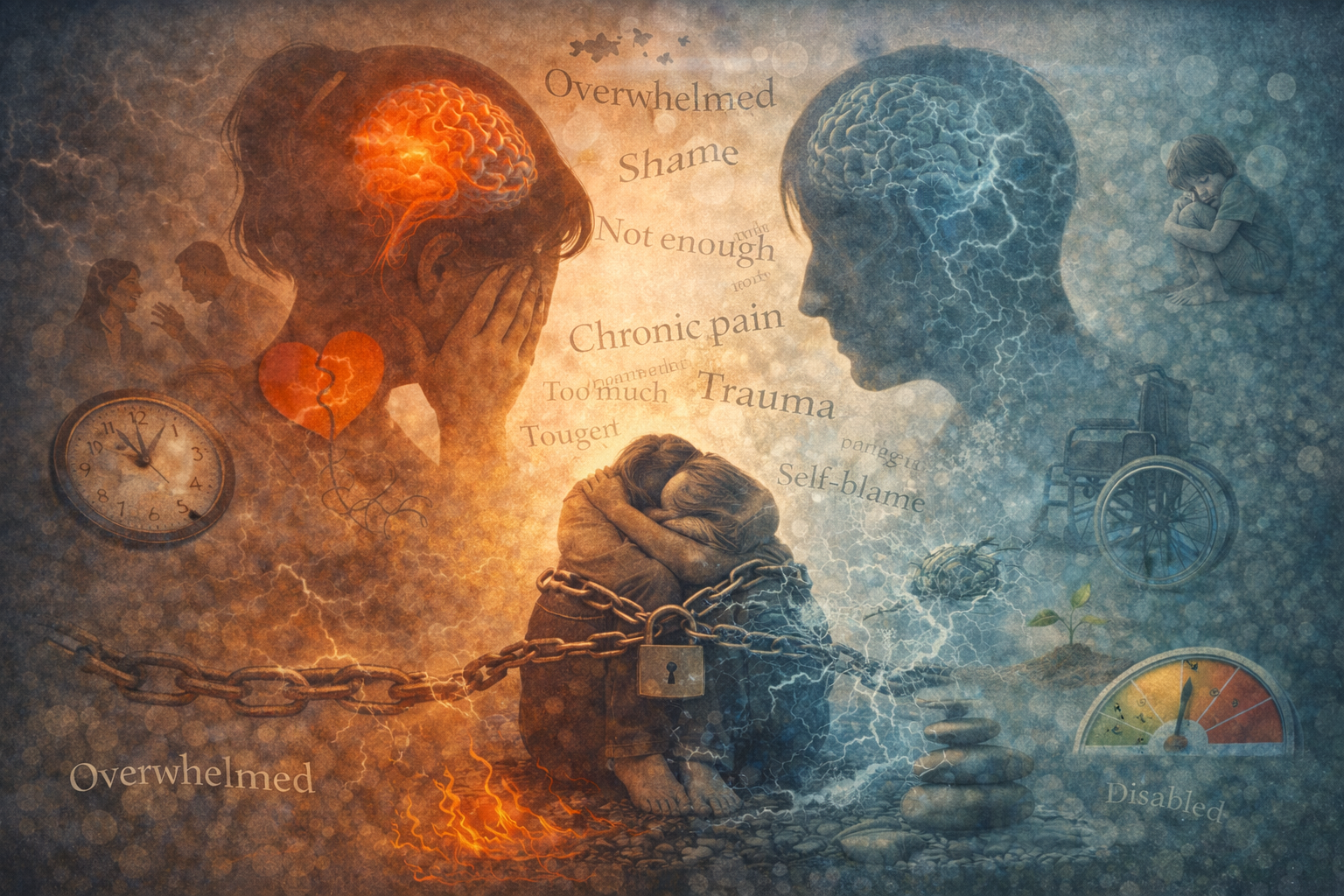
How often do you see clients presenting with seemingly unconnected issues, chronic pain, anxiety, fatigue, or inflammation, without realising the common link?
Trauma doesn't just reside in memory; it fundamentally alters the body's stress response system, contributing to a documented, long-term increase in:
🌿 Chronic Health Conditions
🌿 Mental Health Disorders
🌿 Autoimmune Conditions
🌿 Disability
The Solution We Offer
Training
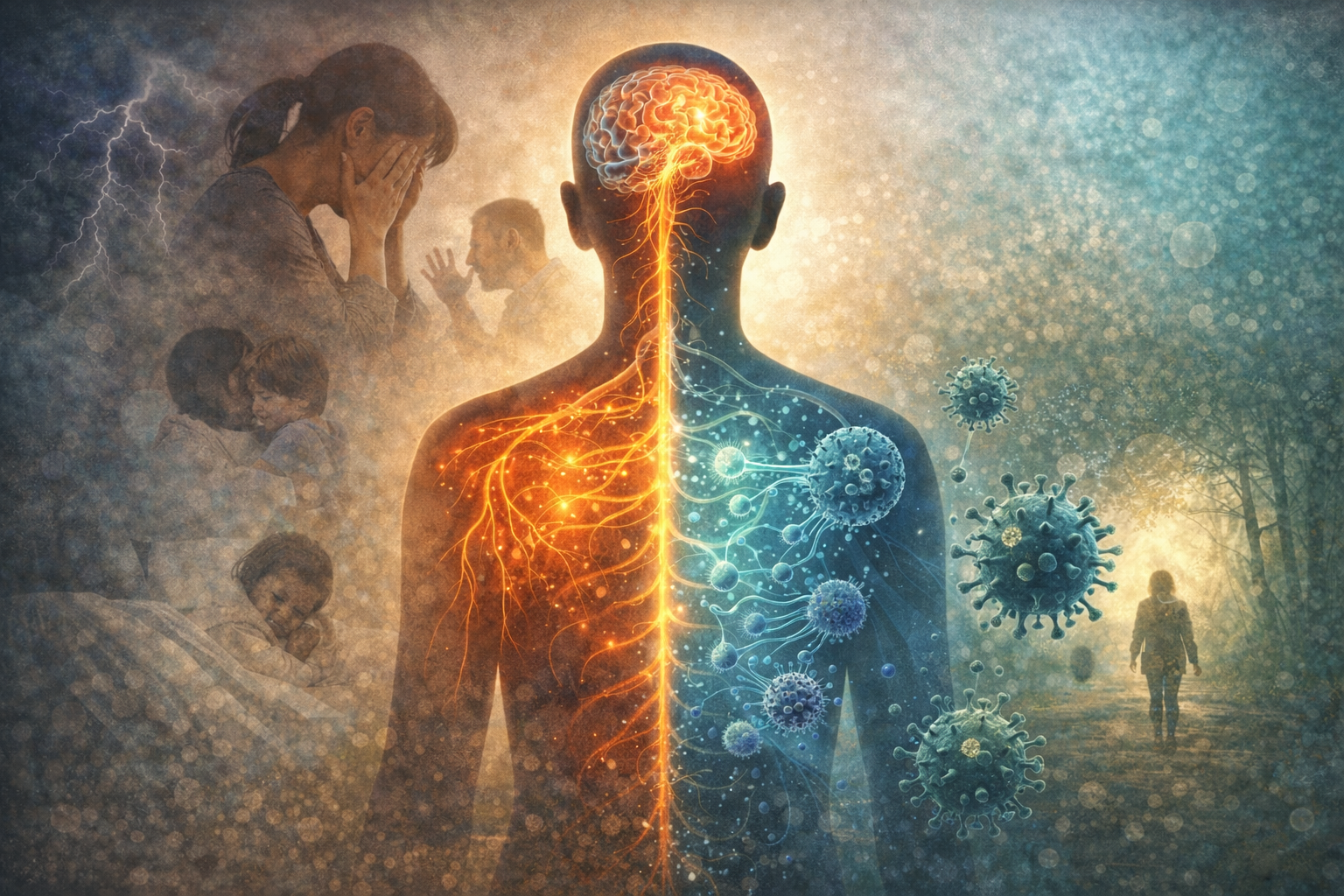
Our training and reflective practice provide the critical lens of Psychoneuroimmunology (PNI) to bridge the gap between mental health support and physical well-being. You will gain a sophisticated understanding of how the nervous and immune systems are interconnected and how relational trauma drives dysregulation.
Key Benefits & Takeaways for Your Practice:
🌿 Deepen Assessment: Learn to identify the subtle and overt ways trauma survivors, especially those with chronic illness, may present in your setting.
🌿 Implement Advanced Models: Integrate the PNI model and evidence-based Trauma Recovery Models into your existing therapeutic framework.
🌿 Enhance Client Outcomes: Develop holistic intervention strategies that address both psychological and physiological recovery, moving beyond symptom management.